
The Blog
Discover the benefits of PEMF Therapy!
Never Miss an Update!
"*" indicates required fields

1 easy step for Arthritis Pain, can PEMF Help?
Arthritis is a general term used to describe over 100 different conditions that affect the joints, tissues surrounding the joints, and other connective tissues. It is characterized primarily by inflammation in the joints, which leads to pain, stiffness, and decreased...

PEMF Therapy for Pets: Unlocking Health Benefits for Your Furry Friends
As pet owners, we strive to provide the best care possible to ensure our pets lead long, healthy, and happy lives. Just like humans, pets can suffer from various health conditions, ranging from joint pain to anxiety. One treatment gaining attention for its potential...

Enhancing Water Absorption with PEMF Therapy: A Science-Backed Approach
Water is essential for life, but did you know that how effectively your body absorbs water can greatly impact your overall health? Emerging research suggests that PEMF therapy (Pulsed Electromagnetic Field therapy) may play a vital role in enhancing water absorption,...

Exploring PEMF Therapy for Cushing Syndrome: A Complementary Approach to Symptom Management
Cushing syndrome is a complex hormonal disorder characterized by prolonged exposure to high levels of cortisol, a stress hormone. This condition can lead to a range of symptoms, including weight gain, high blood pressure, skin changes, and bone loss. Managing Cushing...

Exploring PEMF Therapy for Parkinson’s: A New Avenue for Symptom Management
Parkinson’s disease is a progressive neurological disorder that affects millions of people worldwide, leading to symptoms such as tremors, stiffness, and difficulty with movement. While there is no cure for Parkinson’s disease, various therapies aim to manage symptoms...
The Benefits of PEMF Therapy for Microcirculation: Enhancing Health at the Cellular Level
Microcirculation, the circulation of blood in the smallest blood vessels, is crucial for delivering oxygen, nutrients, and removing waste products from tissues. It plays a vital role in maintaining overall health, particularly in areas like wound healing, inflammation...

Managing Fibromyalgia with PEMF Therapy: A Promising Path to Relief
Fibromyalgia is a chronic condition characterized by widespread pain, fatigue, and a host of other symptoms that can significantly impact one’s quality of life. Traditional treatments often fall short in providing comprehensive relief, leaving many sufferers searching...

Healing and Recovery: How PEMF Therapy Can Aid Stroke Survivors
While traditional rehabilitation methods are vital for recovery, emerging treatments like Pulsed Electromagnetic Field (PEMF) therapy are showing promise in enhancing the healing process. In this article, we’ll delve into what PEMF therapy is, how strokes affect the...

Exploring the Potential of PEMF Therapy for Epilepsy Management
Epilepsy is a neurological disorder characterized by recurrent, unprovoked seizures, which can significantly impact an individual's quality of life. While traditional treatments such as medications and surgery are commonly used to manage epilepsy, complementary...

Exploring the Benefits of PEMF Therapy for Multiple Sclerosis
Multiple Sclerosis (MS) is a chronic neurological condition that affects the central nervous system, leading to a wide range of physical and cognitive challenges. Managing MS involves a comprehensive approach that includes medications, lifestyle changes, and...

PEMF Therapy: A Holistic Wellness Tool for the Entire Family
Maintaining health and wellness in a household can be challenging, especially with varying needs across family members. Whether it’s improving sleep, easing pain, or supporting recovery from everyday stresses, finding natural, effective solutions is key. One approach...
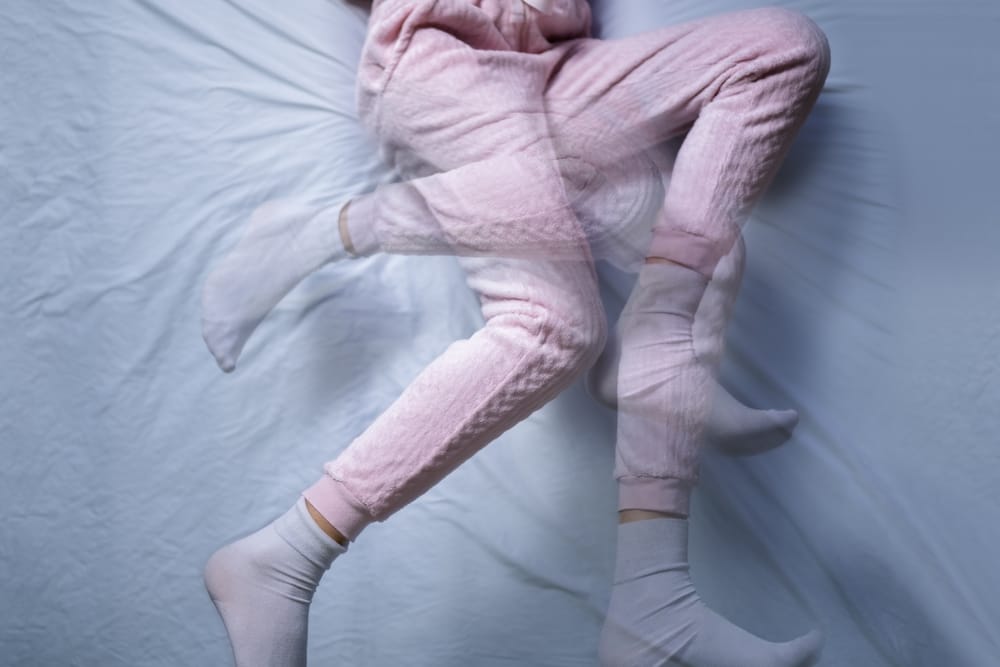
RLS (Restless Leg Syndrome) Can PEMF Therapy can Help?
Restless Leg Syndrome (RLS), also known as Willis-Ekbom Disease, is a neurological disorder characterized by an uncontrollable urge to move the legs, often accompanied by uncomfortable sensations. These sensations typically occur when a person is at rest, such as...